top of page
The Origins of 3D Light Graffiti
The Origins of 3D Light Graffiti
What has become a worldwide phenomenon in 3D light graffiti started back in 1997 at Club Mazzo in Amsterdam.
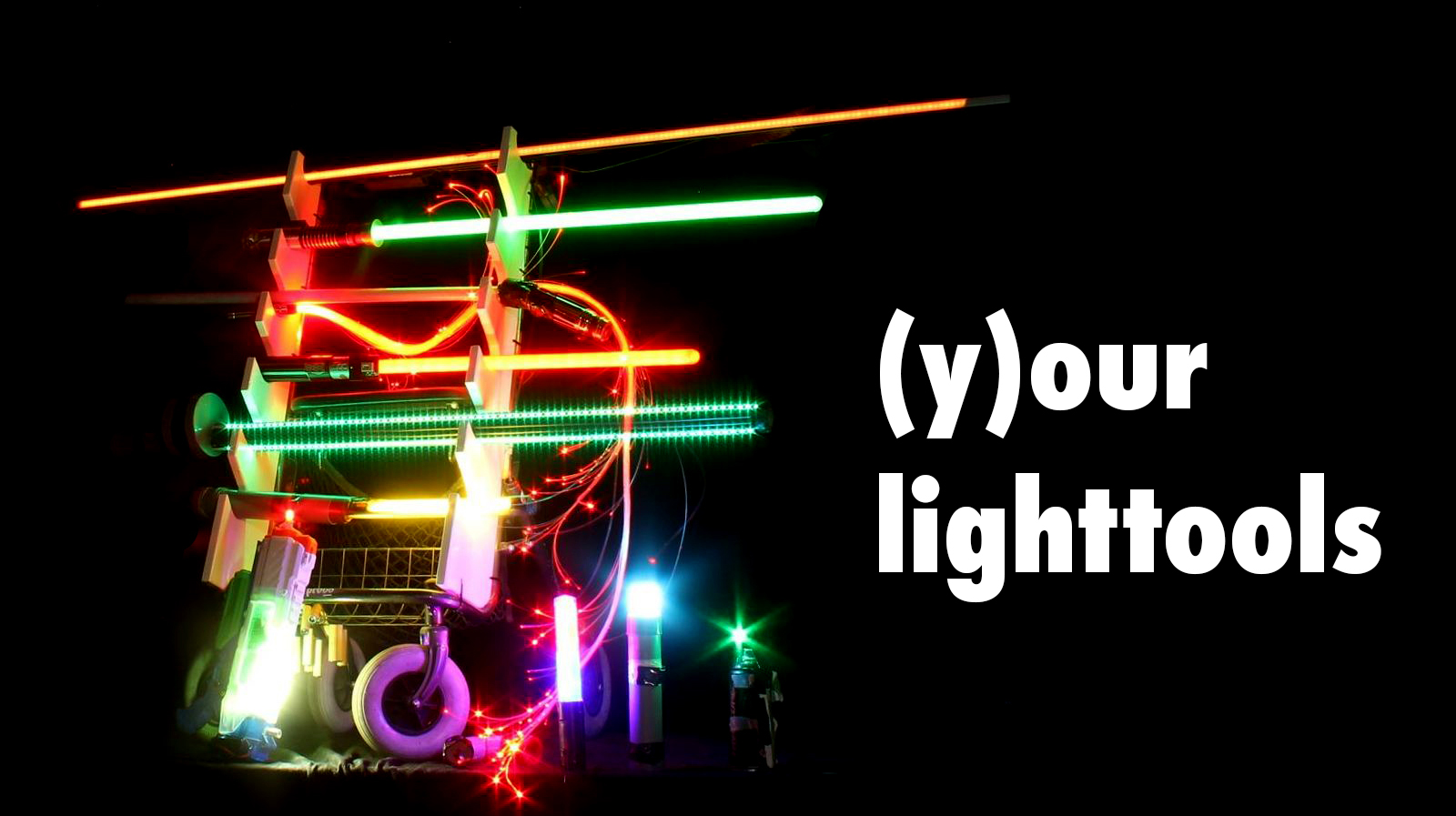
PIP Lab captured the first 3D light graffiti experiments together with the local graffiti scene. With virtually no budget, we had to improvise. We used a bunch of disposable plastic cameras loaded with celluloid film, removed their shutters, and captured the first 3D light graffiti in complete darkness. A camera flash served as our synchronization signal, while a single spray can fitted with an LED light was our paiting tool.
There were no automated stabilization systems, no software, no dedicated hardware — nothing. In fact, we hadn't even figured out how to properly stabilize the footage yet. We were exploring completely uncharted territory.
But we saw the light — and knew it had to go digital.
In 2001, Lumasol took the next big step by creating the first live Bullet Time experience at the Lowlands Festival. We wrote our own (admittedly pretty crappy) software and built custom hardware from scratch.
That was just the beginning. Many interactive installations and experiments followed, continuously pushing the boundaries of what was possible.
Today, with Xangle, this technology has become accessible to everyone.
From improvised disposable cameras in a dark Amsterdam club to accessible 3D light graffiti technology — what started as an experiment has evolved into a whole new creative medium.
Soort project
lightpainting
Datum
1997
Locatie
amsterdam
01
The Origins of 3D Light Graffiti
01
delta01
02
bezm Movie.mov
03
lumasol.mp4
04
dok2.mp4
05
onitsukatigerv4 - kopie - kopie
06
lumasol
07
lumasol
08
promo lightpainting2025.mp4
09
hakara

10
lighttools - kopie
bottom of page